
If you’re trying to figure out how to get sales on Shopify, the problem usually isn’t traffic alone. Most stores struggle because their foundation isn’t solid, their conversions leak, or they scale too early without systems in place.
| What you’ll learn in this article: ● How to Generate Sales on Shopify With a Strong Foundation ● How to Get Sales on Shopify Without Ads ● How to Scale Shopify Sales Over Time ● Common Mistakes That Block Shopify Sales |
What Does It Take to Get Sales on Shopify?
Many Shopify stores don’t convert because the basics aren’t clear. Product pages lack strong value propositions, trust signals are missing, and small frictions like slow load times or unexpected fees push buyers away before checkout.
Next, traffic alone doesn’t equal sales. Even with visitors coming in, poor conversion rates and zero retention make revenue inconsistent and hard to scale.
Ultimately, sustainable Shopify sales don’t come from quick hacks. They come from building systems that attract the right traffic, convert consistently, and turn one-time buyers into repeat customers.
How to Generate Sales on Shopify With a Strong Foundation
Once your Shopify store has a solid foundation, the next step is turning that setup into consistent sales. Here’s how:
Homepage Clarity and Value Proposition
Your home page must answer three questions in seconds: What you sell, who it is for, and why it is worth buying from you. If you do not do this, your conversion rates will drop quickly.
High-performing Shopify sites have a clear focus on their homepage. They have clear headlines, good images, and ideally, a clear call to action.
Product Pages That Actually Sell
Product pages perform best if they clear up uncertainty. Product page benefits, descriptions, images, and price context are more important than lengthy product features.
Experienced sellers create pages for decision-making purposes. The sections should provide buyers with options to add products to the cart, rather than confusing them with irrelevant components.
Trust Signals, Reviews, and Social Proof
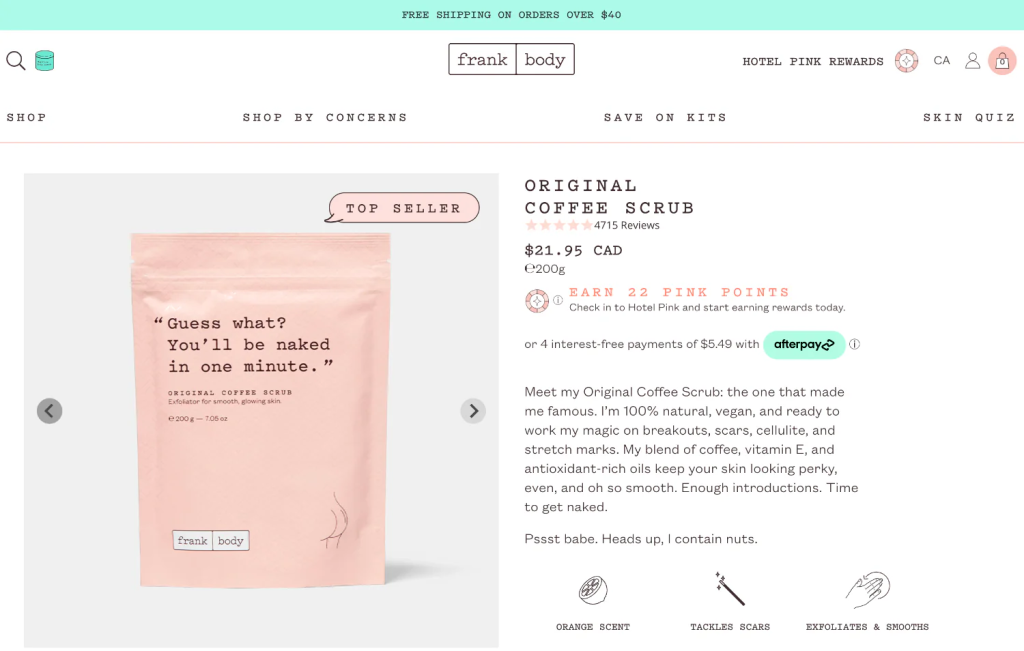
Trust is a significant factor in conversion behavior, especially among new stores. Reviews, ratings, or money-back guarantees, as well as consumer images, can reduce hesitation during key conversion areas.
Social proof, placed strategically around the pricing and checkout process, has consistently been shown to increase conversions because it gives consumers confidence that they are making a safe decision to make a purchase.
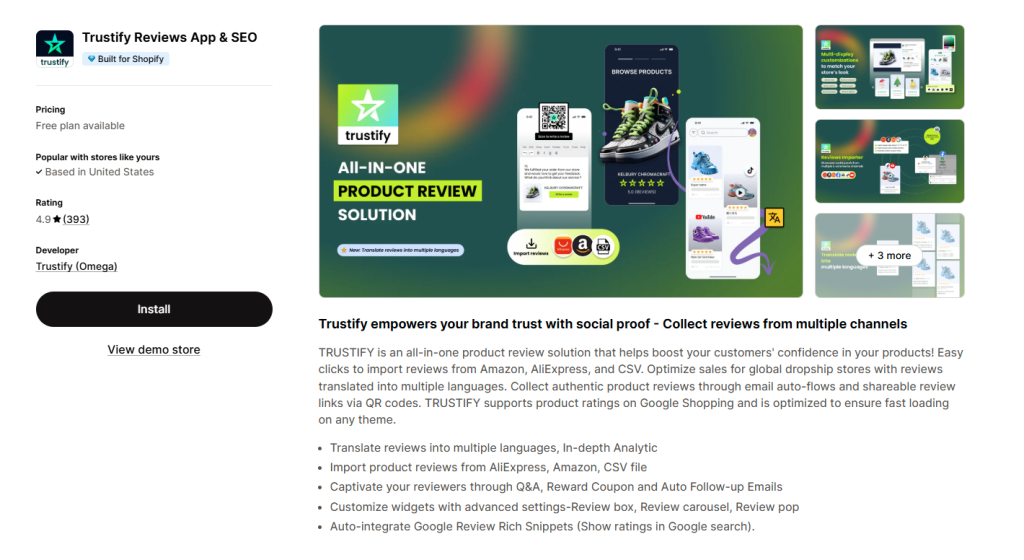
Reviews have the strongest impact when they are visible at the moment of decision. Tools like Trustify Review App make it easier to surface verified reviews, ratings, and social proof where they influence conversions the most.
Reduce Friction in Checkout
Checkout friction kills sales silently. Any additional forms, requirements to sign up, or confusion could deter customers.
Optimized Shopify checkouts are simple and predictable. Fewer steps and clear progress indicators help maintain buying momentum.
Payment Methods and Shipping Transparency
Shoppers want to see familiar payment options, as well as clear, upfront shipping charges. Surprise charges, especially in the payment or shipping section, are some of the top reasons shoppers abandon their carts.
Top-performing stores display their shipping fees upfront, providing buyers with multiple payment methods as well.
Mobile Optimization Basics
Mobile now accounts for the majority of Shopify traffic, and many stores are still designed with a desktop-first mentality. According to recent Shopify mobile commerce benchmarks, mobile devices drive around 74%–79% of Shopify store traffic, while mobile conversion rates still lag behind desktop experiences.
Poor load speeds and/or layouts can hurt mobile conversions the most.
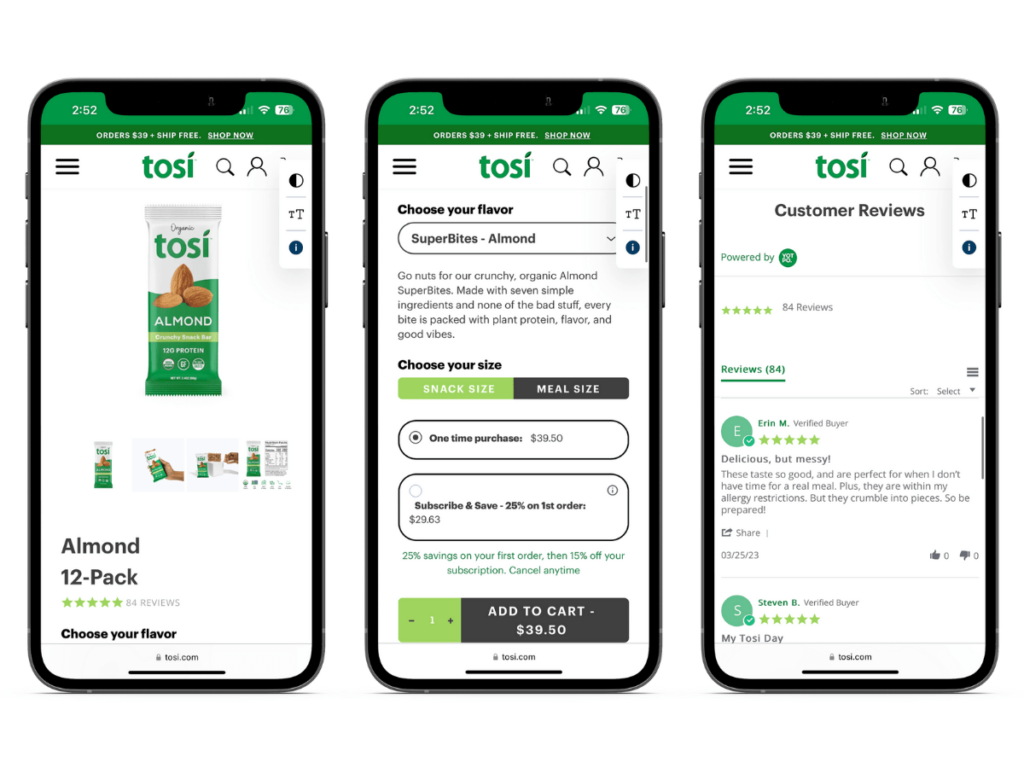
Good mobile optimization includes fast page load times, big tap targets, and a tidy design. Frictionless mobile experiences directly correlate with higher conversion.
How to Get Sales on Shopify Without Ads
Not every sale has to come from paid traffic. Once your store is set up correctly, there are proven ways to generate Shopify sales organically without relying on ads.
Use SEO to Drive High-Intent Traffic
SEO is one of the most sustainable ways of getting sales on Shopify without ads. This is because once product pages and collections are optimized for buying-intent keywords, they attract visitors who are already looking to buy.
The key here is not to go for quantity, but for relevance. Performing better for better-intent keywords might yield better results than the generic keywords used for browsing.
Turn Email Into a Sales Engine, Not Just a Newsletter
Email marketing also works based on the principle of reaching a group of people who have already “shown intent.” Welcome flows, abandoned cart emails, and even post-purchase emails consistently drive sales without the need for further ad spend.
Stores that treat email as an automated system rather than one-off campaigns, often report higher repurchasing rates and revenue predictability.
Leverage Organic Social Proof and UGC
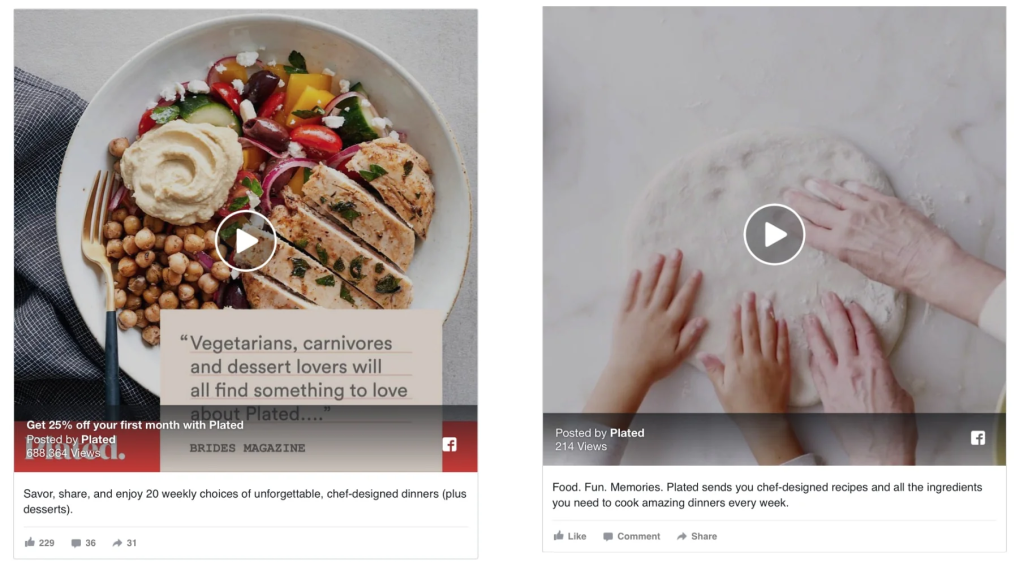
Organic content on channels like TikTok or Instagram can be very effective at driving sales if the emphasis is on genuine use of the product rather than product advertisement. User-generated content is trusted more than company-generated content.
With customer reviews, creator clips, and actual demos featured on the same page, organic traffic can be converted even without paid advertising.
Improve Conversion Rate Before Chasing More Traffic
Without ads, conversion rate optimization becomes your biggest driver for improvement. Even small changes to product copy, images, trust badges, and shipping info can potentially increase conversions from existing traffic. Experienced Shopify sellers focus on solving the friction.
The average Shopify store converts at just 1.4%, while top performers hit 4% or higher. Doubling your conversion rate from 1% to 2% generates the same revenue increase as doubling your traffic – but at a fraction of the cost. Experienced sellers fix conversion leaks first, then scale traffic.
Build Retention to Multiply Organic Sales
However, getting that first sale is just half the battle, and retention through email, loyalty, and post-sale engagement is where repeat business becomes future revenue.
When return purchases increase, natural sales growth occurs organically without advertisements due to their higher overall customer value.
How to Scale Shopify Sales Over Time
While growing a Shopify store, scaling isn’t just about increasing traffic. Sustainable growth comes from increasing the value of each customer. More recent retention research shows that acquiring a new customer can still cost around 5–7 times more than retaining an existing one, particularly as digital advertising costs continue to rise.
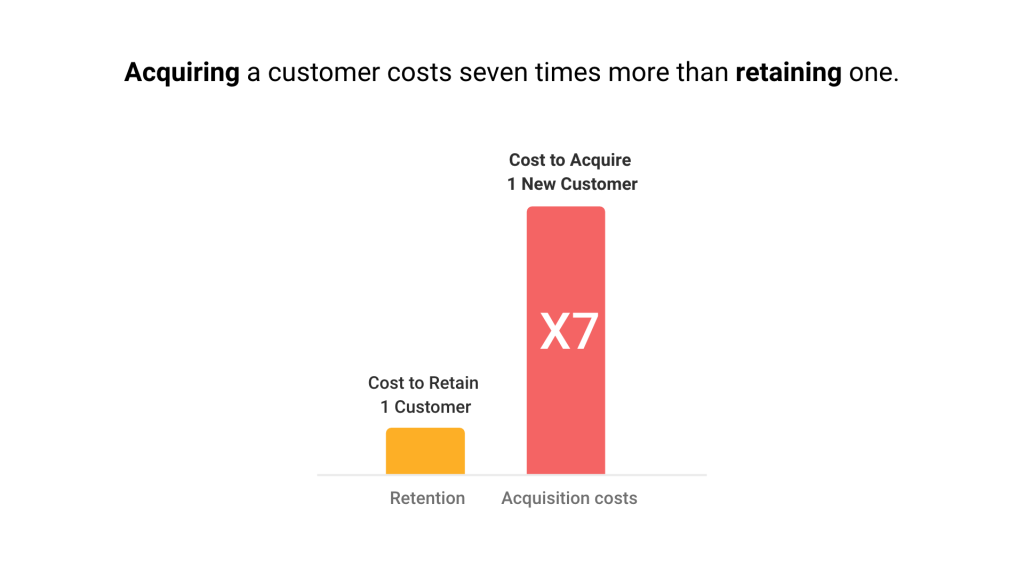
A good beginning point is to invest in those systems that will drive repeat business, such as investing in a loyalty program. When retailers implement systems that drive repeat business, the outcome is consistent revenue as well as sustainable growth, as most repeat customers are likely to increase their spending in the future.
Common Mistakes That Block Shopify Sales
Even with the right strategies in place, small mistakes can quietly block Shopify sales. This section highlights common issues that prevent stores from converting traffic into revenue.
Driving Traffic Without Tracking
Many Shopify stores focus on bringing in traffic without knowing what actually converts. Without proper tracking, you can’t tell which channels, pages, or campaigns drive real sales.
That means wasted effort, and the wrong decisions are made. And when the data isn’t there to begin with, scaling becomes guesswork instead of a repeatable growth process.
Ignoring Mobile Shoppers
The majority of Shopify traffic is mobile, yet most stores optimize for desktop first. Poor load times, buttons too small to tap, and cluttered layouts quietly kill mobile conversions.
When mobile shopping feels frustrating, users leave without buying. Optimizing for mobile is no longer optional; it’s necessary in order to experience consistent sales.
Scaling Ads Before Fixing Conversion Issues
Running more ads won’t fix a store not converting. If product pages, checkout, or trust signals are weak, more traffic simply scales losses. Experienced sellers optimize conversion, then scale traffic. Fixing leaks before an increase in ad spend leads to healthier growth and better returns.
FAQs About Getting Sales on Shopify
How long does it take to get sales on Shopify?
It depends on your niche, traffic quality, pricing, and store setup. Some stores get their first sales within days, while others take weeks or months to optimize their products, messaging, and conversion flow. Stores with strong product-market fit and better trust signals usually grow faster.
Why am I getting traffic but no sales on Shopify?
This usually points to a conversion problem rather than a traffic problem. Common causes include weak product pages, unclear pricing, poor mobile experience, lack of reviews, slow load speed, or complicated checkout flows. Even high traffic will not convert if buyers do not trust the store or understand the value.
What is a good conversion rate for a Shopify store?
The average Shopify conversion rate is around 1% – 2%, while high-performing stores often reach 3% – 4% or higher. Conversion rates vary by industry, device type, and traffic source, but improving even small conversion leaks can significantly increase revenue over time.
Can you get Shopify sales without running ads?
Yes. Many Shopify stores generate sales through SEO, email marketing, TikTok content, Instagram reels, Pinterest, referrals, and customer retention systems. Organic growth usually takes longer than paid ads, but it can become a more sustainable and cost-effective revenue channel over time.
Final thoughts
Learning how to get sales on Shopify is not about quick wins or chasing every new tactic. It starts with building a store that converts, choosing the right growth channels, and making improvements to performance based on real data.
Whether you focus on optimizing your foundation, generating sales without ads, or scaling over time, the goal stays the same: turn visitors into customers and customers into repeat buyers. When you approach how to get sales on Shopify as a system rather than a shortcut, growth becomes predictable and sustainable.